
Pavers in Winter Garden, FL: A Homeowner's Guide From Downtown to Horizon West
· By Ricardo Pessoa
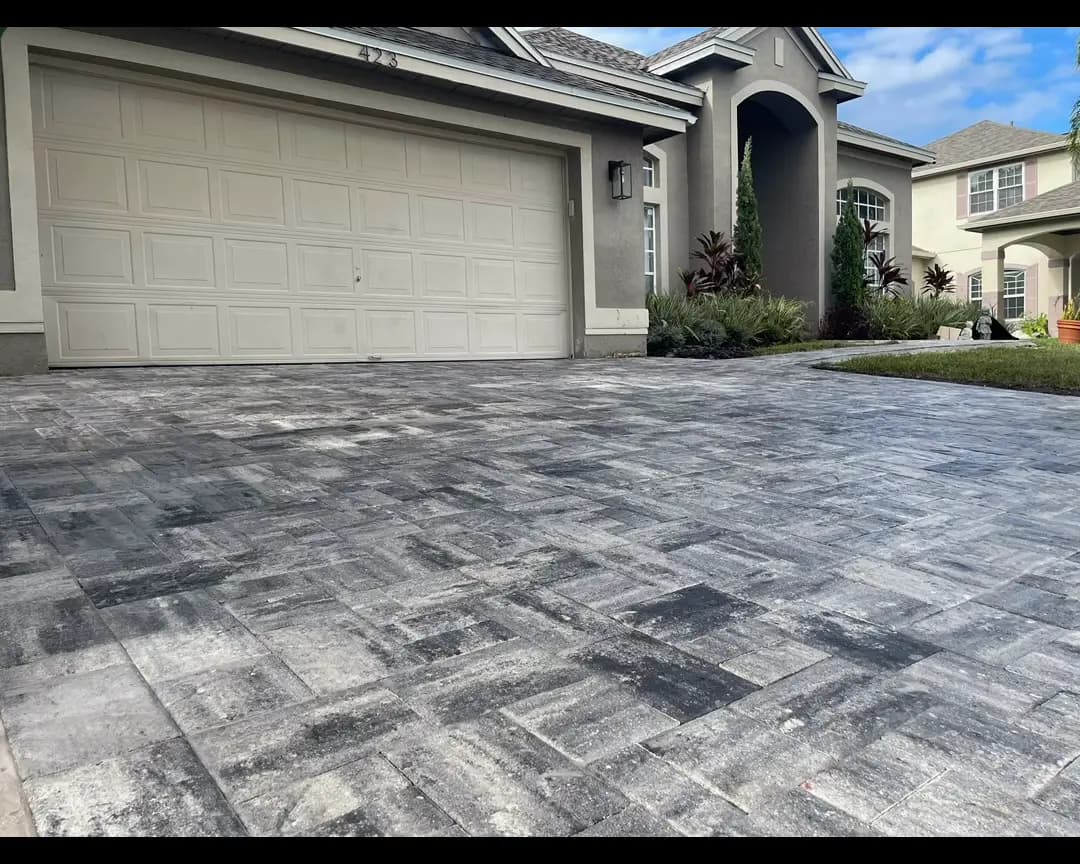
Winter Garden has changed a lot over the past couple of decades. The historic downtown along Plant Street, with the West Orange Trail running right through it, still has the feel of an old Florida town. A few miles south, the Horizon West area has filled in with large master planned communities, schools and new shopping.
Those two sides of town lead to very different paver projects. Owners of older homes near downtown often want hardscape that respects the character of the house, while new build owners in Horizon West are usually upgrading builder finishes and creating outdoor living space from scratch. This guide covers both.
Older homes near downtown Winter Garden
The streets around downtown have a mix of early twentieth century homes, mid century houses and newer infill. Many have narrow driveways, older concrete that has cracked and lifted around tree roots, and front walks that have seen better days.
Pavers work well here because they can be shaped around mature oaks and adjusted later if roots keep growing. A brick style or tumbled paver in warm tones usually suits these homes better than a stark modern gray. A paver walkway with a soldier course border, or a ribbon driveway that leaves a strip of grass in the center, can look right at home on a historic street.
Older lots can also hide surprises: old footings, buried debris or poor fill. A careful contractor digs, inspects and corrects the base instead of setting new pavers on top of an unknown surface.
New builds in Horizon West and the surrounding communities
Communities such as Hamlin, Summerlake, Lakeshore Preserve and the many neighborhoods along the Avalon Road and Hamlin Groves Trail corridors are full of homes that were delivered with plain concrete driveways and a small covered lanai. That makes the upgrade path fairly predictable.
The most common first project is a driveway conversion, either replacing the concrete entirely or extending the drive with a paver border for extra width. Next is usually the backyard: extending the lanai into a larger patio, adding a fire pit area or building a pool deck when a pool goes in.
Because these homes are new, homeowners often want hardscape that matches the clean, contemporary look of the house. Larger format pavers in gray or sand tones, straight lines and simple borders are popular choices, along with travertine around pools.
HOA approvals are part of almost every Horizon West project
Nearly every Horizon West community has an HOA with written architectural standards. Many specify which driveway materials and colors are allowed, how wide a driveway can be, and what needs approval before work starts. Some require a site plan or a color sample with your application.
Plan for this step. Approval timelines vary by association, and starting work before you have written approval can lead to fines or a request to remove the work. A contractor familiar with the area can help you prepare the drawing and product details the committee usually asks for.
Also note that much of Horizon West sits in unincorporated Orange County even though homes carry a Winter Garden mailing address, while the area closer to downtown is inside City of Winter Garden limits. That affects which office handles any permit, so it is worth confirming for your address.
Drainage, lakes and new construction soil
West Orange County has many lakes, including Lake Apopka to the north and the Butler Chain to the south, and new communities are built around networks of retention ponds. The ground in new subdivisions has often been graded and filled, and fill can settle unevenly in the first years after construction.
That is one reason base preparation matters so much on a new build. Removing loose material, compacting the base in lifts and keeping a consistent slope away from the house help prevent low spots. It is also important not to change the lot's designed drainage pattern, since many new homes rely on swales between houses to move water to the street or a pond.
During the summer rainy season, watch where water collects on your property before you finalize a design. Those spots tell you a lot about where pavers need extra attention.
If your yard backs up to a pond or conservation area, keep in mind that the community or water management district may control what can be built near the bank. A quick check with your HOA before designing a patio close to the water avoids having to redesign later.
Budget, maintenance and getting the job done right
In the Central Florida market, installed concrete pavers are commonly quoted somewhere around $12 to $22 per square foot, with travertine and specialty materials often higher. Demolition of existing concrete, intricate patterns and backyard access all move the number, so use market ranges only as a starting point.
After installation, a simple routine keeps pavers looking new. Sweep or rinse regularly, pressure wash when needed, top up joint sand and consider sealing to help with stains and fading. Driveways in newer neighborhoods often pick up tire marks and oil spots, which sealing makes easier to clean.
Looks Good Pavers & Outdoors serves Winter Garden from our base in Orlando, installing paver driveways, patios, pool decks, walkways, fire pit areas and retaining walls, plus repair, pressure washing and sealing. We are licensed and insured and estimates are free. Call or text (321) 287-5043.
Frequently asked questions
- Can I widen my Horizon West driveway with pavers?
- Often, yes, but check your HOA standards first. Many associations limit driveway width and materials. A paver border or extension is a common way to add room while keeping a finished look.
- Are pavers a good choice around old oak trees?
- They are one of the better options. Pavers can be shaped around trees and lifted later if roots cause movement. Avoid cutting large roots without guidance, since it can harm the tree.
- Do new construction lots need special preparation for pavers?
- They usually need careful base work, because fill soil in new subdivisions can settle. Excavating loose material and compacting the base in layers helps prevent dips over time.
- What paver styles fit historic homes near Plant Street?
- Warm toned brick or tumbled pavers, classic patterns like herringbone or running bond and simple borders tend to suit older homes better than bold modern designs.
Found this helpful? Make us a preferred source on Google.
Ready for an exact price?
Get a free, no-pressure in-home estimate. Real numbers for your home, not a phone guess.