
Pavers vs Concrete Driveway: Which Is Better in Florida?
· By Ricardo Pessoa
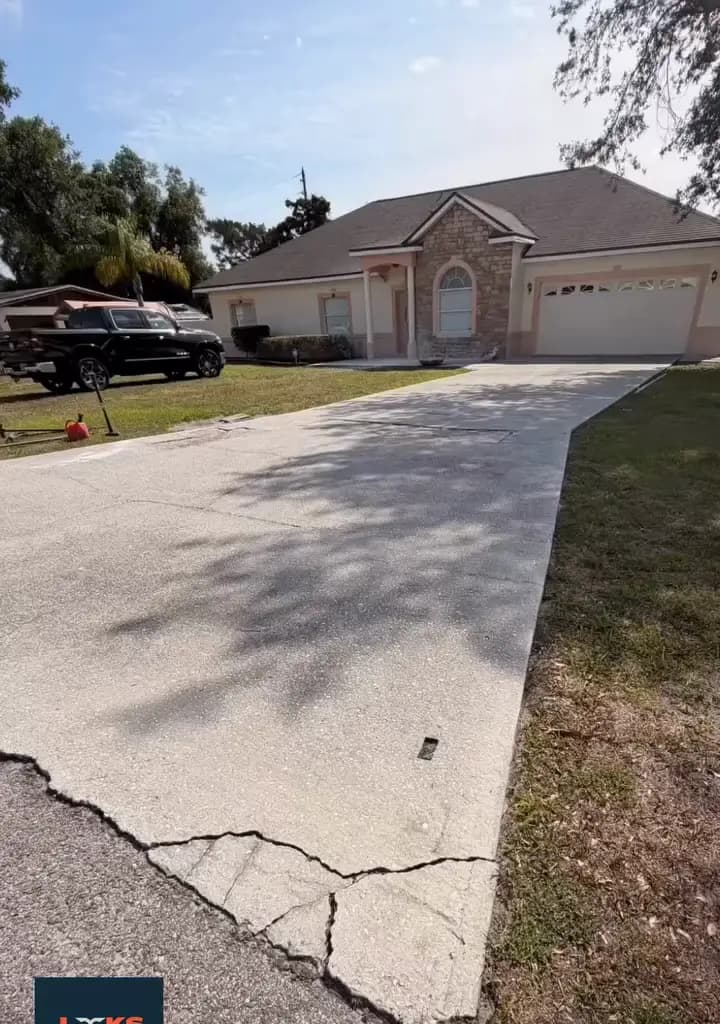
Walk through almost any Orlando subdivision and you will see both: plain poured concrete driveways, many of them cracked and stained, and paver driveways in herringbone or running bond patterns. If your driveway is due for replacement, choosing between a concrete and paver driveway is one of the biggest decisions in the project, both for your budget and for how the house looks from the street.
Neither option is wrong. Each has real strengths and weaknesses, and those play out differently in Central Florida because of our sandy soil, intense heat, and heavy summer rain. Here is an honest comparison to help you decide.
Upfront cost: concrete usually wins
A standard broom-finish concrete driveway is typically the less expensive option to install. It is poured in one or two days, the materials are simple, and labor is relatively fast. Stamped or colored concrete narrows the gap, since the extra finishing work adds cost.
Paver driveways generally cost more upfront. Based on ranges local contractors publish, most Orlando paver driveways land somewhere between $4,000 and $12,000 depending on size, removal of the old slab, material and pattern. The extra cost comes from deeper excavation, a compacted base, edge restraints and setting each unit by hand. If price on day one is the only factor, concrete is hard to beat. Most homeowners who choose pavers do it for what happens over the following years.
Cracking and how each handles sandy Florida soil
Concrete is a rigid slab. When the sandy soil underneath settles, when tree roots push up, or when the ground expands and contracts through hot days and heavy rain, the slab has nowhere to go, so it cracks. Control joints help direct where cracks form, but very few older concrete driveways in Central Florida are crack-free.
Pavers are a flexible system. Thousands of individual units sit on a compacted base and are held together by joint sand and edge restraint. When the ground moves slightly, the pavers move with it instead of breaking. That is a major reason pavers are popular here. The catch is that a flexible system is only as good as its base. Pavers on a thin or poorly compacted base will sink and rut, especially where tires turn and at the garage apron.
Repairs: patching vs lifting and resetting
Repairing concrete is where the difference really shows. A crack can be filled, but the patch rarely matches the surrounding slab, and a heaved or sunken section usually means cutting out and repouring a whole panel. Stains from oil, rust or tire marks are also tough to remove from porous concrete.
Paver repairs are more forgiving. If a section sinks or a utility line needs to be reached, the pavers can be pulled up, the base corrected, and the same pavers reinstalled. Individual stained or chipped units can be swapped out. Keeping a few extra pavers from the original install makes future repairs nearly invisible.
Heat, rain and drainage
Florida sun bakes a driveway for most of the year. Both concrete and pavers absorb heat, and darker colors get hotter. Lighter paver blends or travertine tones tend to stay more comfortable, which matters if kids or pets walk on the driveway barefoot.
When an afternoon storm rolls through, a solid concrete slab sheds water toward its edges and the street. Standard pavers also shed most surface water, while the joints let a small amount pass through. In either case, correct slope away from the house and garage is what really prevents puddling. If your current driveway holds water, a replacement is the right time to fix the grade.
Maintenance and the Florida algae problem
Humidity, shade and frequent rain mean both surfaces can grow algae, mold and mildew, especially in shaded areas near landscaping. Concrete needs periodic pressure washing and can be sealed to slow staining.
Pavers need a bit more routine care. Joint sand can wash out during heavy storms and should be topped off, weeds or ants can show up in the joints, and many homeowners seal pavers every few years to protect color and stabilize the sand. Professional cleaning and sealing keep a paver driveway looking close to new, but it is an ongoing cost to factor into the decision.
Curb appeal, HOA rules and resale
This is where pavers usually win. Pavers come in a wide range of colors, textures and patterns, and borders or accent bands can tie the driveway to walkways and the front entry. A well-built paver driveway often makes a home look more finished, which many homeowners value when they eventually sell.
Many communities in Orlando, Winter Garden and Kissimmee have HOA rules about driveway materials and colors. Some require pavers in a specific palette, and others allow concrete only with approval. Check your association guidelines before choosing, since that can make the decision for you.
So which should you choose?
Concrete makes sense if you want the lowest upfront cost, plan to sell soon, or simply prefer a plain, uniform surface. Pavers are usually the better fit if you plan to stay, want a driveway that resists cracking in shifting soil, value easy repairs, and care about curb appeal.
Whichever you lean toward, the installation quality matters more than the material. Looks Good Pavers & Outdoors builds paver driveways across Central Florida with a focus on a solid base and long-term durability, not the cheapest bid. If your old concrete is cracked and you want to see what pavers would cost for your home, call or text (321) 287-5043 for a free estimate.
Frequently asked questions
- Can pavers be installed over an existing concrete driveway?
- It is sometimes done, but in most cases removing the old slab is the better choice. Overlaying raises the driveway height, which can create problems at the garage and street, and any cracking or settling in the old concrete can still transfer through. An on-site estimate will show which approach fits your driveway.
- Do paver driveways last longer than concrete?
- A properly installed paver driveway on a well-compacted base typically outlasts a concrete slab in Florida soil, mainly because damaged sections can be repaired instead of replaced. Lifespan depends heavily on installation quality and maintenance.
- Will pavers sink under my car?
- Not if the base is built for vehicle traffic. Driveways need deeper excavation and more compacted base than patios. Sinking is almost always a sign of an undersized or poorly compacted base, not a problem with the pavers themselves.
- Are paver driveways more expensive to maintain?
- Slightly, in most cases. Pavers benefit from periodic cleaning, joint sand top-offs and resealing every few years. Concrete needs cleaning too, but repairs to concrete are usually more expensive when cracks appear.
Related services
Found this helpful? Make us a preferred source on Google.
Ready for an exact price?
Get a free, no-pressure in-home estimate. Real numbers for your home, not a phone guess.