
Pavers in Clermont, FL: A Homeowner's Guide to Building on the Hills
· By Ricardo Pessoa
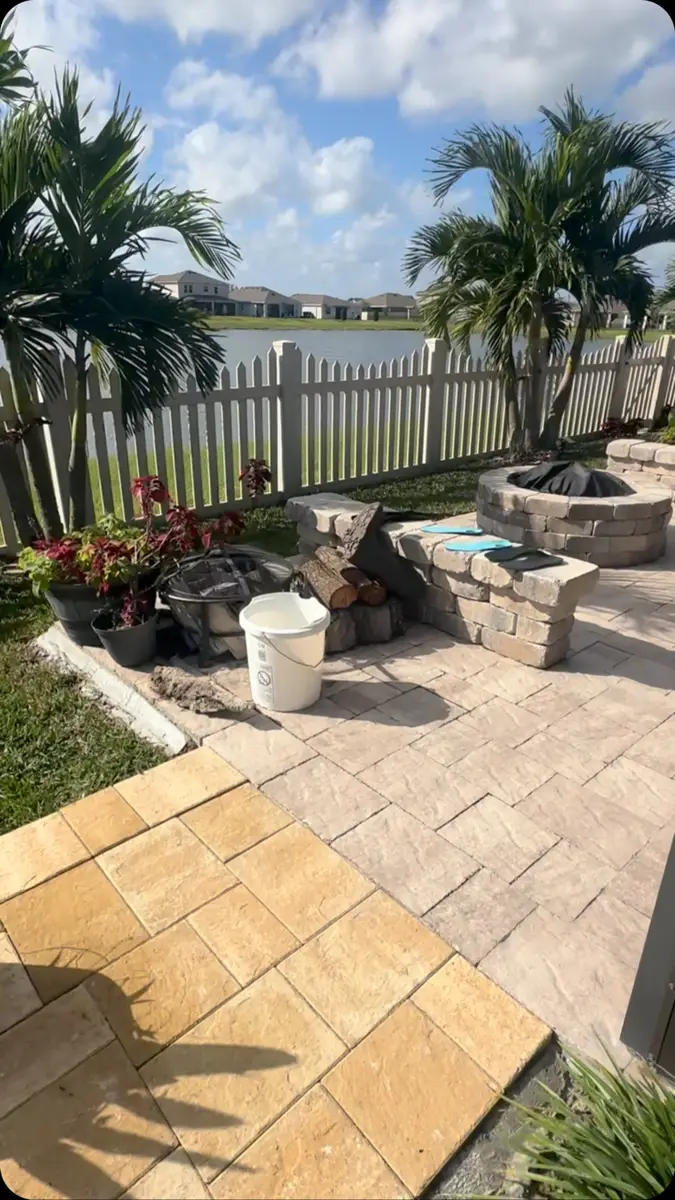
Clermont surprises a lot of people who move here from elsewhere in Florida. The city sits among rolling hills in south Lake County, with the Clermont Chain of Lakes running through town and Sugarloaf Mountain rising just to the north. Plenty of homes have real elevation changes between the street, the house and the backyard.
That terrain is a big part of Clermont's appeal, and it is also the main reason paver projects here need extra thought. A driveway that climbs a grade, a patio built into a slope or a pool deck on a lot that drops toward a lake all ask more of the design than a flat suburban yard. This guide walks through what Clermont homeowners should plan for.
Why Clermont's terrain changes the job
On a flat lot, the main drainage goal is a gentle pitch away from the house. On a Clermont hillside, water is already moving, sometimes fast. During a summer downpour, runoff from the street, the roof and the neighbor's yard can all pass across your paved areas on the way downhill.
A good design works with that flow. It may include a steeper but controlled pitch, a channel or drain at the bottom of a driveway, or a change in layout so water is guided around a patio instead of through it. Ignoring the slope is how pavers end up with washed out joint sand, undermined edges and low spots that hold water.
Steep driveways also deserve attention to pattern. Herringbone patterns are widely recommended for driveways because the interlock resists the shifting that tires create, and that matters even more where cars brake and climb on a grade.
Soil on the ridge: sand, pockets of clay and erosion
Much of the Clermont area sits on deep, sandy ridge soil that drains quickly but erodes easily once it is disturbed. Some lots also have pockets of clay that hold water and drain slowly. The two can exist on the same property, which is why a contractor should look at your actual site rather than assume.
For pavers, that means a properly excavated area, a compacted base built in layers, and strong edge restraint on every side. On sloped ground, edges carry extra load because gravity is constantly pulling the field of pavers downhill. Concrete or properly anchored edging is not the place to cut corners.
Erosion around the finished area matters too. Bare soil next to a new patio on a slope can wash out in the first heavy storm, so plan for sod, plantings or a border that holds the ground in place.
Retaining walls and terraced patios
Retaining walls are far more common in Clermont than in most of Central Florida, and they can turn an unusable slope into the best part of a yard. A short segmental wall can create a flat terrace for a patio, a fire pit area or a level spot beside the pool, with steps leading down to the lower yard.
These walls need proper footing, drainage behind the wall and the right block for the height. Water trapped behind a wall builds pressure and is the most common reason walls lean or bulge. Taller walls can involve engineering and permitting requirements, so height is something to settle early in the design.
When the wall, steps and patio are planned together, the result looks intentional rather than patched together, and the pavers on top stay level because the ground below is held in place.
Lake views, pools and outdoor living
Many Clermont homes are oriented toward a lake or a long view, and homeowners want their outdoor space to take advantage of it. Pool decks that extend toward the view, travertine walkways that lead down to the water and patios with a fire pit for cooler winter evenings are all popular here.
On lakefront lots, keep runoff in mind. Directing water toward planted areas instead of straight down to the shoreline helps protect the lake and keeps sediment from building up at the bottom of the yard. If you live on one of the Chain of Lakes, check whether any shoreline rules apply before building close to the water.
HOAs, Lake County and planning approvals
Clermont has grown quickly, and many newer neighborhoods along the south and east sides of town, toward the US 27 corridor and the Wellness Way area, are governed by HOAs. Expect an architectural review for driveway widening, pool deck changes and exterior colors.
Whether your home is inside City of Clermont limits or in unincorporated Lake County affects which office reviews your project. Driveway connections to the street, drainage changes and taller retaining walls are the items most likely to need a permit. Your contractor should confirm requirements for your specific address before work starts.
Costs and choosing an installer in Clermont
Market pricing for installed concrete pavers in Central Florida commonly lands somewhere in the range of $12 to $22 per square foot, with travertine and premium materials often higher. Hilly sites can add cost through extra excavation, grading, retaining walls, steps and drainage work, so two projects of the same size can price very differently.
When you meet with installers, ask how they will handle the slope, where water will go and how the edges will be secured. Specific answers are a good sign.
Looks Good Pavers & Outdoors works in Clermont from our base in Orlando, building paver driveways, patios, pool decks, walkways, fire pit areas and retaining walls, along with paver repair, pressure washing and sealing. We are licensed and insured and estimates are free. Call or text (321) 287-5043.
Frequently asked questions
- Can pavers be installed on a steep Clermont driveway?
- Yes, with the right preparation. A well compacted base, strong edge restraint, an interlocking pattern such as herringbone and a plan for runoff at the bottom of the slope all help a steep paver driveway stay in place.
- Do I need a retaining wall for a patio on a sloped yard?
- Often, yes. A retaining wall can create a level terrace for the patio and keep soil from washing out underneath. Wall height affects design, drainage and possible permitting needs.
- Why does joint sand wash out of pavers on a slope?
- Fast moving water during heavy rain can carry sand out of the joints, especially when runoff crosses the pavers. Correcting the drainage path, refilling the joints and sealing can help reduce the problem.
Serving
Found this helpful? Make us a preferred source on Google.
Ready for an exact price?
Get a free, no-pressure in-home estimate. Real numbers for your home, not a phone guess.