
How Often Should You Seal Pavers in Florida?
· By Ricardo Pessoa
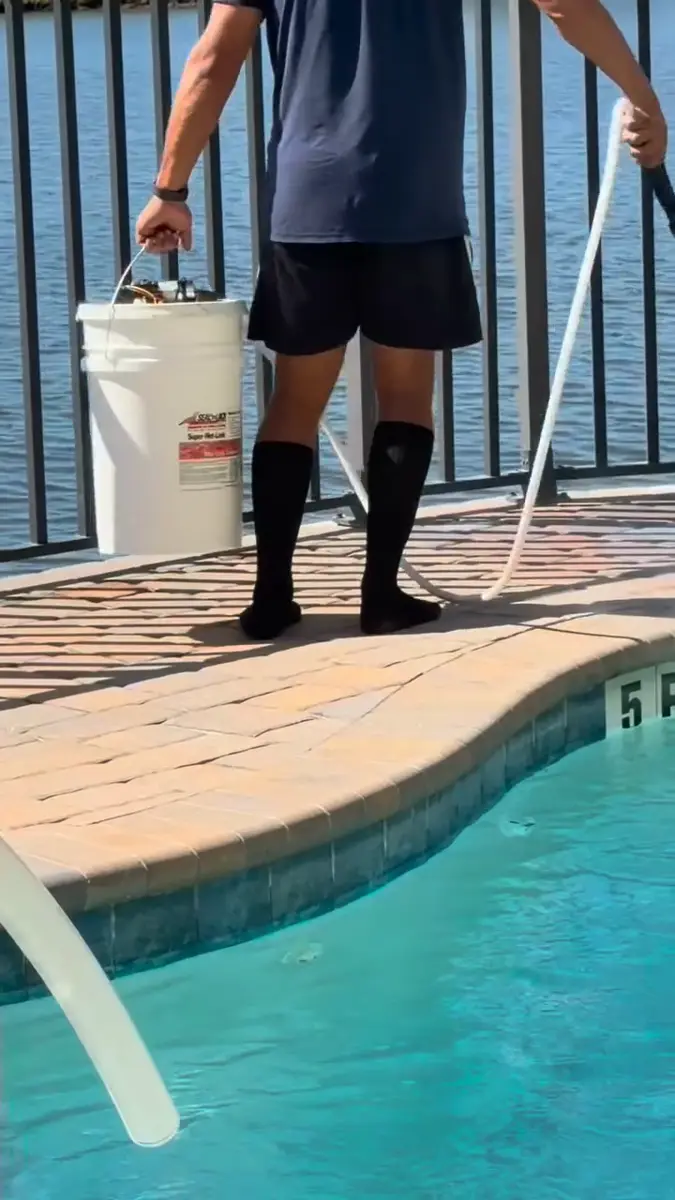
Pavers are tough, but Central Florida puts them through a lot. Year-round UV fades color, afternoon storms wash sand out of the joints, and constant humidity invites algae, mold and weeds. Paver sealing is one of the simplest ways to protect that investment, yet it is also one of the most misunderstood services. Seal too rarely and the surface fades and stains. Seal too often, or with the wrong product, and you can end up with a cloudy, slippery or peeling finish.
This guide covers how often most Florida homeowners should seal pavers, the signs it is time, the main sealer types, and what to expect from a professional cleaning and sealing service in the Orlando area.
The short answer: every 2 to 3 years for most homes
For most Central Florida driveways, patios and pool decks, resealing roughly every 2 to 3 years is a common rule of thumb. That window keeps color protected and joint sand stable without building up so many layers that the finish turns hazy or slick.
The right interval depends on the area. A driveway in full sun with daily car traffic wears faster than a shaded walkway. Pool decks see chlorine or salt water splash, sunscreen and constant foot traffic, so they may need attention sooner. Sealer type matters too: some products are built to last longer than others. Instead of following a fixed calendar, it is smarter to watch for the signs below.
Signs your pavers need to be sealed
Faded color is usually the first clue. If the pavers look chalky or washed out compared to how they looked after installation, UV has worn the protection down. A simple water test also helps: sprinkle water on the surface. If it beads, the sealer is still working. If it soaks in right away and darkens the paver, it is time.
Other signs include joint sand that keeps washing out after storms, weeds or ant hills popping up between pavers, black or green growth in shaded areas, and oil or rust stains that soak in quickly. Any of these suggest the surface and joints are no longer well protected.
Why sealing matters more in Central Florida
Florida conditions are hard on unsealed pavers. Strong sun fades pigments over time. Heavy summer rain flushes loose sand from the joints, and once the sand is gone, pavers can shift and weeds move in. The combination of heat and humidity makes algae and mold grow fast, especially near landscaping, under lanai screens and on the shaded side of the house.
A quality sealer helps on several fronts. It slows fading, makes the surface easier to clean, resists stains, and, when paired with a joint-stabilizing sealer or polymeric sand, helps lock the joints so storms do not wash them out as easily. Sealing does not make pavers maintenance-free, but it stretches the time between deep cleanings and keeps the surface looking cared for.
Types of paver sealer
Most sealers fall into two groups. Water-based sealers are popular in Florida because they are low odor, breathable and less likely to trap moisture, which helps prevent the cloudy white haze you sometimes see on pavers sealed in humid weather. Many water-based products also stabilize joint sand.
Solvent-based sealers often give a richer, darker wet look and can be glossier, but they can trap moisture if applied over damp pavers and may become slippery, which is a real concern around a pool. Finish options range from natural or matte to semi-gloss and high gloss. For pool decks and walkways, many homeowners choose a lower-sheen finish for better footing. Travertine has its own considerations and usually calls for a sealer made for natural stone.
What a professional cleaning and sealing involves
Good sealing starts with good cleaning. The surface is pressure washed, often with a surface cleaner to avoid streaking, and treated for algae, mold and stains. Old joint sand that is dirty or loose is cleaned out, and the pavers need time to dry completely, which in Florida humidity can take longer than people expect.
Next, the joints are refilled with fresh sand. Then the sealer is applied evenly in the right number of coats for the product. Weather matters: sealing right before an afternoon thunderstorm or on a wet surface can cause clouding or poor adhesion, so timing around the forecast is part of the job. Most driveways and patios need a day or so before foot traffic and longer before cars, depending on the product.
What paver sealing typically costs around Orlando
Paver sealing is usually priced by square foot and includes cleaning, re-sanding and the sealer itself. Across Central Florida, most homeowners see something in the range of roughly $1.50 to $3 per square foot for a full clean, sand and seal, with smaller jobs often having a minimum charge. Heavy staining, extensive mold, stripping an old failing sealer, or travertine with special products can push the price higher.
Those are general market ranges, not a quote. The condition of your pavers makes a big difference, so an on-site look is the only way to get an accurate number. Looks Good Pavers & Outdoors offers pressure washing and paver sealing across Orlando, Kissimmee, Clermont, Winter Garden and Davenport. Call or text (321) 287-5043 for a free estimate.
Frequently asked questions
- How soon can new pavers be sealed?
- Many installers recommend waiting a period of weeks to a few months after installation so efflorescence (a white, powdery residue that can appear on new concrete pavers) can come out first. Sealing too early can trap it under the sealer. Ask your installer what timing fits the product used.
- Does sealing make pavers slippery?
- Some high-gloss and solvent-based sealers can make surfaces slicker, especially when wet. For pool decks and walkways, a matte or low-sheen finish, sometimes with an anti-slip additive, is usually the safer choice.
- Can I seal pavers myself?
- You can, but the most common DIY problems are sealing damp pavers, applying too heavily, and skipping proper cleaning first. Those lead to cloudy patches, peeling or sealed-in stains that are expensive to fix. A professional job costs more upfront but avoids those headaches.
- Is it ever okay to not seal pavers?
- Pavers do not have to be sealed to function. Unsealed pavers will fade and stain faster and lose joint sand more easily in heavy rain, so in Central Florida most homeowners find sealing worth it to keep the surface looking good.
Related services
Serving
Found this helpful? Make us a preferred source on Google.
Ready for an exact price?
Get a free, no-pressure in-home estimate. Real numbers for your home, not a phone guess.