
The Best Time of Year for Paver Installation in Central Florida
· By Ricardo Pessoa
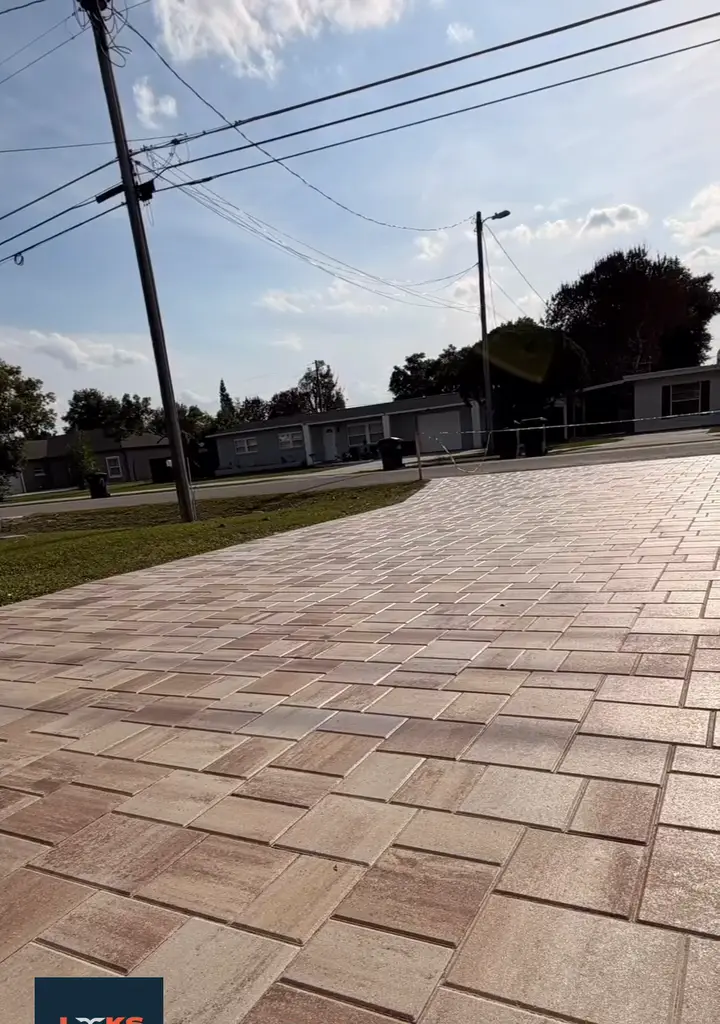
One of the nice things about living in Central Florida is that paver installation is possible in every month of the year. We do not have frozen ground, frost heave or a winter shutdown like contractors up north. That said, the calendar still matters. Our rainy season, summer heat and even the timing of your HOA board meeting can add days or weeks to a project.
This guide walks through how each season plays out for a paver driveway, patio or pool deck in the Orlando area, what really affects your timeline, and how to plan so the work starts when you want it to.
Short answer: late fall through spring is the easiest stretch
If you have total flexibility, the window from roughly late October through May tends to be the smoothest time for paver installation in Central Florida. Rain is less frequent, afternoons are cooler for crews and for you, and the soil is drier, which makes excavation and base compaction more predictable.
Spring is also when many homeowners want their patio or pool deck ready for summer, so that period can fill up. Planning a few weeks ahead helps, especially if you need HOA approval first.
None of this means summer is off limits. Plenty of driveways and patios go in during June, July and August. It simply takes a bit more scheduling flexibility.
How the rainy season affects paver installation
From about late May through September, Central Florida gets almost daily afternoon thunderstorms. A typical pattern is a dry, hot morning followed by a heavy downpour between 2 and 6 p.m. Crews work around that by starting early and protecting open areas, but a soaked excavation needs time to drain before base material can be compacted properly.
That matters because the base is the part of the job you never see and the part that decides whether your pavers stay flat. Compacting base rock and bedding sand over saturated sandy soil is how low spots get built in from day one. A careful installer will pause rather than push through mud, which can add a day or two to a summer project.
Hurricane season, which officially runs June through November, can also interrupt schedules when a storm is in the forecast. If a storm is coming, materials and open excavations need to be secured before work continues.
Heat, UV and polymeric sand
Summer heat is mostly a comfort and pacing issue, but it does affect one detail: polymeric joint sand. This type of sand hardens after it is misted with water, and manufacturers usually want a dry surface and a window without heavy rain for it to set. In July, that window can be short. Good crews watch the radar and time the final sand step so a storm does not wash it out of the joints.
If you plan to seal your new pavers, many installers recommend waiting a period after installation before applying sealer so any natural efflorescence can come to the surface first. Ask your contractor what they recommend for the specific pavers you choose.
Do not forget HOA approval and permits
In many Orlando, Clermont and Winter Garden neighborhoods, the HOA is the real start date. Most associations require an architectural review application for driveways, patios, pool decks and anything that changes how the front of the home looks. Boards often meet monthly, so missing a submission deadline can push your project back several weeks.
Typical applications ask for a site plan or sketch, paver style and color, border details and sometimes a contractor license and insurance certificate. Some cities and counties also require a permit for driveway work, especially where the driveway meets the street apron. Start that paperwork early so it is approved by the time your installation slot opens.
A licensed and insured contractor should be able to provide the documents your HOA asks for, and can usually help with the details of the layout and materials so the application goes through the first time.
Pool decks, patios and driveways have different best times
Pool decks are often planned around a pool remodel or resurfacing schedule, and many families aim to finish before the hot months so the pool is usable all summer. Starting in late winter or early spring gives the most breathing room.
Patios and fire pit areas are popular in fall because that is when evenings cool down enough to use them. Booking in late summer means your patio is ready right when outdoor season really begins in Central Florida.
Driveways are less seasonal, since you use them every day. The main question is how long you can go without parking in the driveway. Most residential driveways take a few days to about a week depending on size, demolition of old concrete and weather, so plan for where cars will go during that time.
How long does paver installation take and what does it cost?
For a typical home, the actual installation of a patio, walkway or driveway usually runs from a couple of days to around a week. Removing existing concrete, building retaining or seat walls, and complex patterns add time. Rain delays in summer can stretch the calendar even when the work hours are the same.
Cost depends on square footage, the paver you choose, demolition, the depth of base needed and details like borders and curves. As a general market reference, many installed paver projects in Central Florida fall somewhere in the range of roughly 12 to 22 dollars per square foot for concrete pavers, with premium materials like travertine and intricate designs going higher. Treat that only as a ballpark. The season itself rarely changes the price much, but demand in spring can affect how soon a crew is available.
The best way to get both a firm schedule and a real number is a free on-site estimate. Looks Good Pavers & Outdoors provides free estimates across Orlando, Kissimmee, Clermont, Winter Garden and Davenport. Call or text (321) 287-5043 to get on the calendar.
Frequently asked questions
- Can pavers be installed during the rainy season?
- Yes. Crews start early to beat the afternoon storms and protect open areas. The main difference is that a saturated base needs time to drain before compaction, so summer projects can take a day or two longer than the same job in winter.
- How far ahead should I book paver installation?
- If you are in an HOA, start the approval process first and give yourself at least a few weeks. Spring tends to fill up quickly, so reaching out a month or more ahead for a spring project is a good rule of thumb.
- Can I drive on new pavers right away?
- Unlike poured concrete, pavers do not need weeks to cure, so driveways can typically be used soon after the job is finished. If polymeric sand was used, your installer may ask you to keep traffic off for a short time while it sets.
- Is it cheaper to install pavers in a slower season?
- Material and labor costs do not usually swing much by season here. What changes is availability. Booking outside the spring rush can make it easier to get the start date you want.
Related services
Found this helpful? Make us a preferred source on Google.
Ready for an exact price?
Get a free, no-pressure in-home estimate. Real numbers for your home, not a phone guess.